Why Arabic Speakers Learn Spanish Faster Than They Think
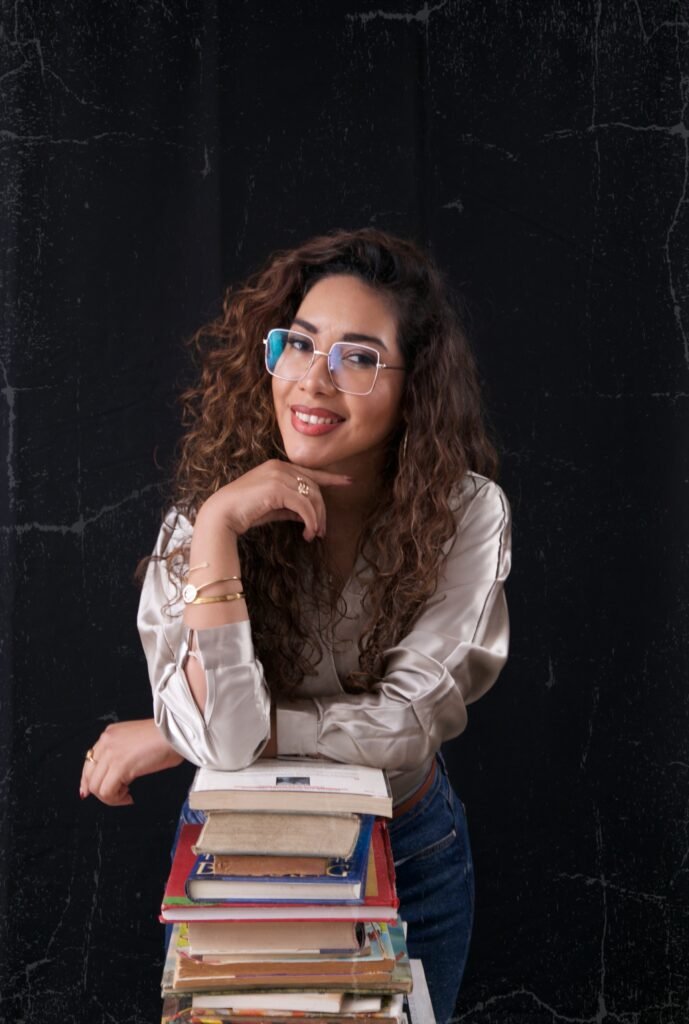
By Florencia Santillán, Spanish Teacher & Founder of Bahrain Spanish Club
When I first started teaching Spanish, I expected the usual challenges: a new language, a new culture, students starting from zero. What I didn’t expect was how quickly my Arabic speaking students would surprise me.
Again and again, they made connections that students from other backgrounds simply didn’t see. After years of teaching across the Gulf, I’ve come to understand why.
The Secret Nobody Talks About: Arabic and Spanish Share More Than You Think Most people assume Arabic and Spanish have nothing in common different script, different sounds, different everything. Not exactly.
Spanish carries thousands of words of Arabic origin, a legacy of the nearly 800 years the Moors spent on the Iberian Peninsula. Words your students use every day in Arabic echo through modern Spanish:
• Almohada (pillow) — from al-mukhadda
• Azúcar (sugar) — from al-sukkar
• Ojalá (hopefully) — from inshallah
• Aceite (oil) — from al-zayt
The first time I pointed this out in class, a student named Ahmed looked at me and said: Wait, we’ve been speaking a little Spanish our whole lives?
Exactly, Ahmed. Exactly.
The Sounds Feel Familiar
Arabic is phonetically rich, with sounds that don’t exist in English or French. Spanish shares some of that intensity the rolled R, the strong J (close to the Arabic kha), crisp and deliberate consonants. My Arabic-speaking students pick these up with far less struggle than European learners do.
English speakers often spend months just trying to produce the Spanish R. My students from across the Gulf? Usually a few weeks.
The Learning Mindset Makes the Difference
There’s something else I’ve noticed, harder to put into words but worth trying.
Arabic speakers across the Gulf are often already multilingual many speak Arabic, English, and sometimes a third language. They’ve already done the hard cognitive work of learning a new language system. They know how to hold two languages in their head at once, and they aren’t intimidated by grammar that looks different or vocabulary that feels unfamiliar.
That resilience is a superpower in the language classroom.
What Happens in My Classroom
My classes are built around real conversation and storytelling, not memorized grammar rules. This works especially well with Arabic speakers, because Arabic is itself a rich storytelling language. My students already understand the power of narrative. When I tell a story in slow, clear Spanish pointing, gesturing, drawing connections they don’t just follow along. They lean in.
Even though most of my students join from a screen, the goal is always the same: to make Spanish feel lived, not studied. We talk about real situations, real feelings, real everyday moments so the language sticks the way it would if they were standing in a market in Mexico City or ordering coffee in Buenos Aires, not sitting through a lecture on verb conjugations.
One student, Nadeen, came to me with almost no Spanish background. Six months later, she was watching Spanish-language shows and understanding them. Another, who had studied grammar-based Spanish for years with little progress, started speaking full sentences within weeks of switching to this method.
These aren’t exceptional students. They’re Arabic speakers who finally had a method that matched how they actually learn.
My Advice If You’re an Arabic Speaker Thinking About Learning Spanish
Start now.
You have advantages you don’t even know about yet: vocabulary that will surprise you, sounds that will feel more natural than you expect, and a cultural bridge between the Arab world and Latin America that’s richer than most people realize.
At Bahrain Spanish Club, I’ve built a space for learners across the Gulf from Saudi Arabia, Qatar, Kuwait, and the UAE for people who are busy, want real results, and learn best in a warm, human environment. No drills, no rote memorization. We speak from day one.
If you’ve ever thought “Spanish is too hard for me,” come to one class. I think you’ll be surprised.
Florencia Santillán is a Spanish language coach and the founder of Bahrain Spanish Club. Originally from Latin America, she has taught Spanish to students across the Gulf for several years, including Saudi Arabia, Qatar, Kuwait, and the UAE. Reach her at contact@spanishclubbh.com or book a free consultation at spanishclubbh.com.